Keeping the kitchen area clean and sanitary is not just the responsibility of a few staff, but everyone should be held accountable for it, from the General Manager of the establishment to the Head Chef to the dishwasher. Even the smallest breach in hygiene standards can cause a huge problem for the business, and hence strict adherence to the highest standards of cleanliness is vital.
Here are some general rules followed by kitchens all over the world, in order to ensure a clean and sanitary environment for preparing food.
Personal hygiene – One of the most important aspects of preventing contamination of food is to ensure that all staff handling any type of food adhere to strict personal hygiene rules. Since all types of microorganisms can be transferred from a person’s hands to the food they are preparing, it is imperative that staff members know the importance of always keeping their hands clean.

For this, the management should provide soap or handwash in several areas of the kitchen, so that regular handwashing is promoted among the staff, such as before starting work, before performing a specific task, after ending a particular task, when switching stations, if they have touched any part of their body or any outside surface etc.
After washing, hands should be dried using a clean towel, which is changed regularly. Hair can also contain microorganisms that can contaminate food, and hence highly absorbent chef hats should be provided for all staff, to prevent both sweat and hair from falling into food.
Clothing – Many contaminants can be transferred to food through the clothes a person wears, which is why when it comes to kitchen staff, standard uniforms are provided for them to change into when working, and no one is allowed to work wearing their normal outside clothes.
Things such as dirt, dust, germs, fur and so much more can get attached to clothing when they are outside and then transfer into the food they are preparing. Hence kitchen staff should be provided with chef coats, pants, cook shirts, aprons, as well as chef hats in order to prevent contamination of food.

Food storage – Food should be stored in a proper manner in clearly marked containers, and it should be remembered that different types of food should be stored separately. For example, raw meat and cooked meat should never be stored together, and the same goes for raw meats and vegetables.
Staff should ensure that containers have air tight lids, and that all food items stored should have the date purchased clearly marked on them. Food should be stored under specific temperatures suitable for each different item.
Defrosting – Sudden temperature changes can cause bacteria to form on food, and hence when defrosting food, it should be done in refrigerated cabinets so that the process is gradual.
Cross contamination – It is important to have clearly marked separate utensils for different types of food in order to prevent cross contamination, such as chopping boards, knives etc. One way this can be easily done in by color coding the equipment in the kitchen, so that everyone is aware of which item should be used with what types of food.
Freeze food – It is important that every commercial kitchen has blast chillers and blast freezers which are able to freeze food items rapidly ensuring that no bacteria form on them, especially soon after cooking. The ‘cook and chill’ method is used in many kitchens around the world.
Serving food – Once the food is prepared it should not be touched by hands since the food can get contaminated. Proper utensils should be used to plate the food and servers and waiters should be trained to serve food without touching it.
Cleaning – The entire kitchen and all equipment should be thoroughly cleaned and sanitized (especially oven and sinks) both before start of day and at end of day to ensure proper standards of hygiene. In addition, a weekly deep clean of the kitchen should be carried out by staff, and a deep cleaning of the kitchen by professional cleaners should be done at least once every six months.

Washing dishes – Washing dishes should be done in a proper manner, and an essential piece of equipment for any commercial kitchen is a dishwasher. Using the right detergents and cleaning fluids is vital to ensure there is no transfer of bacteria from food scraps.
In UK Food Standards Agency has rated every restaurant, takeaway joints and café coffee shop and the data is also publicly shared. In fact customers are also talking about the restaurants poor hygiene on social media and forums. Some of them even report to the authorities.
Most of the restaurants strictly follow the food safety and hygiene regulations, but still there are many restaurants who are failing to reach up to the mark and realize that they are not up to the scratch.
Many restaurants in UK are forgetting the some of the biggest causes of poor hygiene and food poisoning.
Hygiene is the most essential part of kitchen and it should not be ignored. The reason of all the kitchen nasty problem such as food poisoning etc. is kitchen being less hygienic. In domestic kitchen cleanliness is not of much concern, as you have to pay the consequences of less hygiene such as bad stomach or food poisoning. But in commercial kitchen consequences can be bad, you might end up with bad customer reviews, less traffic, restaurant owner fined moneys and in long term the business might shut down.
So what are the five kitchen hygiene issues that you need to be aware of?
The grease gets deposited and builds up on the work surfaces, machinery and storage areas of kitchen which in turn attracts dust and dirt. Thus to avoid the build-up of grease and grime, every day kitchen should be cleaned thoroughly.
The kitchen grease can be cleaned by using the various kitchen de-greasing biological treatment available in market or you can even clean it using hot soapy water. Ideally work surfaces should be smooth and perfect, free from cracks and other imperfections where grease and grime gets build up.
To get rid of all the kitchen contaminations proper cleaning is essential. All the kitchen equipment’s should be cleaned and disinfected, as well as utensils, cooking appliances, kitchen tops and kitchen grease traps. The cleaning solution and disinfectants used should meet the British standards.
The clogged kitchen sink and grease trap maintenance is also a matter of great concern in especially in commercial kitchens. The grease trap cleaning and kitchen sink maintenance should be done regularly to avoid any foul odour or overflow problems.
Vermin on the Loose
The nasty creatures such as rats, mice, ants, cockroaches etc. are not normally welcome in kitchen, the reason is that they contaminate food and spread diseases. By keeping your kitchen clean and tidy you can easily avoid the infestation of vermin. The easy availability of food attracts the pests. So one should avoid drop scraps on the floor, leaving uncovered food.
Wash Your Hands!
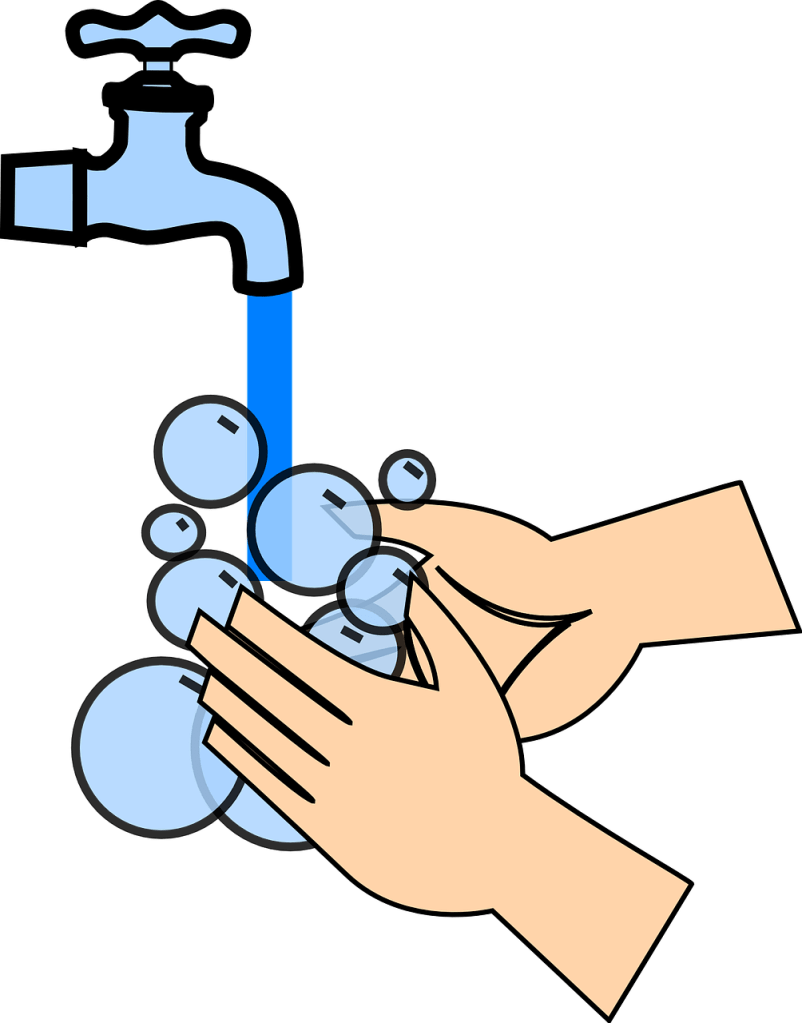
One of the other common and dangerous kitchen nightmares is cross contamination. Washing hands before you do anything is mandatory. Anyone who is indulge in cooking activity should wash their hand before handling food, in between holding raw food and other ingredients and after visiting the toilet. Your staff should be well trained and should understand what cross contamination is and how to avoid it.
Food Storage Disasters
All the times the food should be stored properly. To avoid contamination from insects and vermin, and prevent the growth of yeast and bacteria meat, dairy and fresh food should be stored in an environment where temperature is controlled or in a sealed containers as required. Raw food and cooked food should be kept separately to prevent any cross contamination problems.
Flaky Walls
Ideally the kitchen should be perfectly clean with spotless wall, floors and ceilings. But practically it is not implemented. It is not uncommon to see the floors which are uneven
, tiles which cracked and flaking paints in food preparation area. Such problems can be avoided with the help of regular maintenance and scheduled cleaning. Deal with all the above mentioned kitchen nightmares before they become threat for you.
 techfino.tech.blog
Leave a comment